
Subcontinental Woes: Quest for Nuclear Confidence Building Measures in South Asia
The protracted rivalry between India and Pakistan had reached its lowest ebb and virtually plumbed new depths when both countries detonated a series of nuclear devices way back in May 1998. This overt gesture and successive developments (such as Kargil) made the region a major nuclear flashpoint in the world. After six years, two warring neighbours have decided to sit across the table to hammer out the much-needed confidence-building measures (CBMs).
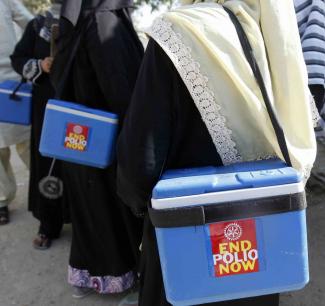
Pakistan: Between Devil and DiseasePakistan: Between Devil and Disease
In late November 2013, doctors working for the Kurdish Red Crescent in Syria traced a deadly strain of poliovirus to Pakistan.
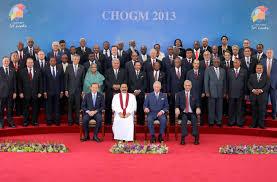
Common Sense at CHOGM: Advantage China?
India’s external affairs minister, Mr Salman Khurshid, went to Sri Lanka to replace Prime Minister Dr Manmohan Singh in the Commonwealth Heads of Government Meeting (CHOGM) conclave in November 2013. This decision by the government of India speaks volumes about how regional politics and associated narrow political compulsions adversely impact national security policymaking.
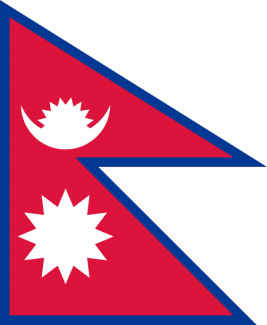
Nepal: The Rough Road Ahead
With less than a fortnight left for the second Constituent Assembly (CA) elections, which are scheduled to be held on November 19, uncertainly looms large over their peaceful conduct and the framing of the Constitution. This has resulted in a lack of enthusiasm from people towards participation in the elections. People across the country also question the legitimacy of the elections, given the boycott of the CPN-Maoist-led 33-agitating political parties and their demand for holding the polls under a legitimate government.

Mars Mission: India’s Tryst with the Red Planet
India’s first-ever Mars mission would begin its travel towards the Red Planet on November 5, 2013. It would take around nine months for this satellite to reach Mars orbit and start taking the observations. The Polar Satellite Launch Vehicle (PSLV-C25) rocket with Mars Orbiter Spacecraft onboard will be launched from Sriharikota (Andhra Pradesh) coast, nearly 50 miles north of Chennai city.
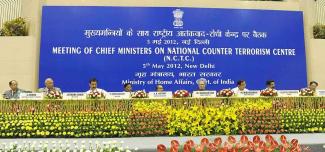
India Needs National Counter Terrorism Centre (NCTC)
State governments ruled by non-Congress parties opposed the formation of the National Counter Terrorism Centre (NCTC) due to the apprehension of dominant authority, and unilateral action of the centre over states using the agency would challenge their authority. Consequently, the Indian Government has planned to draft a more transparent and accountable proposal for NCTC to pacify the opposition, that the NCTC be kept out of the Intelligence Bureau (IB) and states be given a significant role in counterterrorism activities.
Nepal: Struggling Himalayan Democracy
The second constituent assembly (CA) elections in Nepal, slated for November 19 this year, were to give some hope to the politically frustrated masses and bring the derailed transitional political process back on track. But that did neither.
Northern Provincial Council Elections in Sri Lanka: What Next?
After 25 years, for the first time, the election was held for the demerged Northern Provincial Council (NPC) on September 21. Though the Tamil National Alliance (TNA) victory with a thumping two-thirds majority was predicted, some thought the development route to ethnic reconciliation, as relentlessly articulated and pursued by the Rajapakse government, would give it some electoral benefits. It managed to win only 7 seats (18.38 per cent of the votes) in the 38-member council.

Politics of Water Conservation: Industries vs. Agriculture
While the world is gradually moving towards a green economy, Orissa is seen to be embracing a brown economy. Depending on the likes of Vedanta, POSCO, batteries of sponge iron, and coal companies, which have demonstrated negligible social and environmental sensitivities, the state government intends to allocate exclusive water to such industries. On August 5, the state cabinet approved a proposal to create a 'water conservation fund' from the monetary contribution of industries which use the water from October to June.